Have you ever opened a website that looked so untrustworthy that you closed it instantly?
Low-quality, misleading content unfortunately still exists online — but Google has a powerful system in place to keep these “shady pages” away from your search results.
That system is called E-E-A-T. If you’re doing SEO in 2026, this is one concept you cannot ignore.
Let’s break it down in simple language.
What Is E-E-A-T?
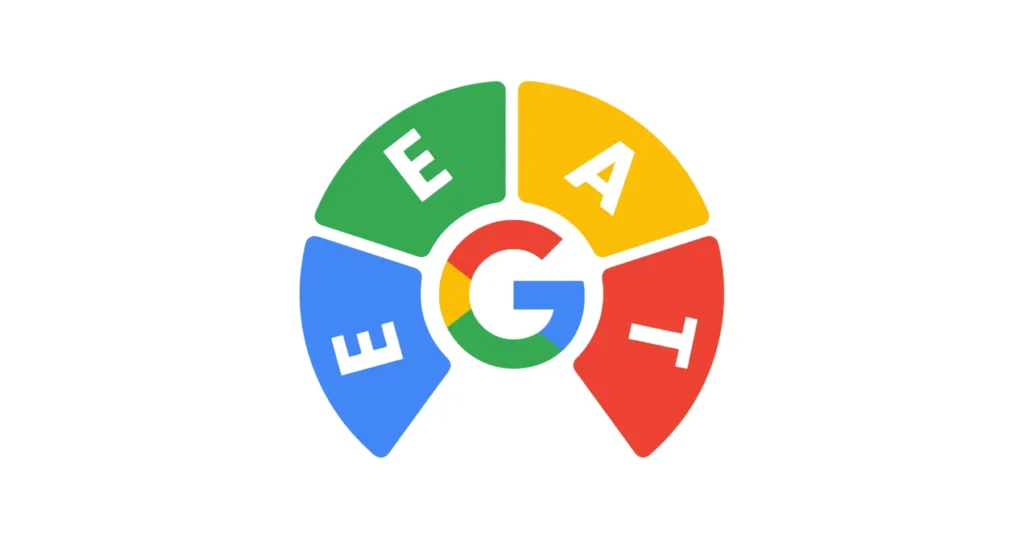
E-E-A-T stands for:
- Experience
- Expertise
- Authoritativeness
- Trustworthiness
Google uses E-E-A-T to evaluate how reliable and high-quality a page is. It checks:
- Who wrote the content
- What experience they have
- Whether the website is trusted
- Whether the information is accurate
In short — E-E-A-T decides whether Google should show your content to users.
Is E-E-A-T a Ranking Factor?
Google has made it clear:
“E-E-A-T itself is not a direct ranking factor. But our systems rely on signals that align with strong E-E-A-T, especially for content that affects health, finance, safety, or society.”
So no — it’s not a single ranking factor like page speed or mobile-friendliness.
But YES, it heavily influences how Google trusts and ranks your content.
Breaking Down the Components of E-E-A-T
1. Experience: First-Hand Knowledge
Google wants to know whether the author has personal experience with the topic.
Examples:
- A travel blog written by someone who actually visited the place
- A product review by someone who used the product
- A case-study shared by a real business owner
Experience makes content more real, relatable, and trustworthy.
2. Expertise: How Skilled Is the Author?
Expertise checks whether the author has deep knowledge of the topic.
Examples:
- A CA writing finance advice
- A doctor publishing health-related content
- A digital marketing expert writing SEO guides
Even if you are not a “certified professional,” expertise can be shown through:
- clear explanations
- background details
- years of industry experience
3. Authoritativeness: Your Reputation on the Internet
Authority is all about how others see you.
Google asks questions like:
- Do other websites link to your content?
- Are you mentioned in news articles?
- Are you recognized as a trusted brand?
For example:
Harvard Medical School has strong authority because of its reputation, research, credible authors, and global citations.
4. Trustworthiness: The Most Important Factor
This is the core of E-E-A-T.
A trustworthy website:
- Is secure (HTTPS)
- Displays real author info
- Gives accurate, well-researched information
- Cites reliable sources
- Has transparent contact details and privacy policies
If Experience, Expertise, and Authority are pillars, Trust is the foundation.
Why Is E-E-A-T Important for SEO?
Here’s why E-E-A-T plays a major role in modern SEO:
Builds user trust
People trust content written by credible authors.
Improves ranking indirectly
Quality, accuracy, and trust lead to better user signals — which boost rankings.
Essential for competitive niches
Industries like:
- Healthcare
- Finance
- Real estate
- Education
- Legal services
…require the highest levels of E-E-A-T.
Prevents Google penalties
If Google sees your site as misleading or low-quality, your rankings can drop drastically.
E-E-A-T and YMYL (Your Money or Your Life)
YMYL refers to topics that affect a person’s:
- Health
- Safety
- Finances
- Well-being
Examples of YMYL pages:
- Depression treatments
- Loan repayment advice
- Safety rules during a flood
- Cryptocurrency investment guidance
These pages must have the highest E-E-A-T because bad advice can harm users.
E-E-A-T vs. the Old E-A-T
Earlier (before 2022), Google used:
E-A-T → Expertise, Authoritativeness, Trustworthiness
In 2022, Google added one more “E” → Experience
This helped Google reward firsthand, practical knowledge — not just textbook theory.
How to Improve E-E-A-T for Your Website
1. Create original, high-quality content
Avoid copying or rewriting competitors.
Share unique insights, experiences, and real examples.
2. Build high-quality backlinks
Links from trusted websites boost your authority.
Focus on:
- Guest posting
- PR mentions
- Creating share-worthy content
3. Add author bios for every article
Include:
- Full name
- Designation
- Experience
- Certifications
- Social links
This increases transparency and trust.
4. Display reviews, testimonials, and case studies
Show real results from real clients.
This is especially important for service businesses in India and Kerala.
5. Update your About, Contact, and Policy pages
A trustworthy business always shows:
- Real address
- Phone numbers
- Team details
- Privacy & refund policies
6. Keep your content updated
Old, outdated content reduces trust.
Update guides regularly — especially in SEO, finance, and health niches.
Why E-E-A-T Matters More for Local SEO in India & Kerala
For businesses in cities like Kochi, Calicut, Trivandrum, Bangalore, Chennai, etc., E-E-A-T helps Google verify your business is legitimate and reliable.
It directly helps with:
- Google Business Profile ranking
- Local map pack rankings
- Local website ranking
- Building user credibility
For example:
A Kerala-based digital marketing agency with real case studies, client results, team bios, and reviews will rank better than a nameless page with copied content.
Final Thoughts
E-E-A-T may not be a direct ranking factor — but it’s one of the MOST important quality signals Google uses in 2026.
If your content shows strong Experience, Expertise, Authority, and Trust, Google will reward your pages with better visibility, better rankings, and better user trust.
